Outlook Best Doctors South 2025
Bagi Heart Centre — Expertise. Technology. Compassion.
Surgical Coronary Care

Coronary Artery Bypass Surgery

Heart surgery that uses a healthy blood vessel to create a new route around a significantly narrowed or blocked coronary artery.

Overview

Understanding this service

Coronary artery bypass grafting (CABG) creates a new pathway for oxygen-rich blood to reach the heart muscle. A healthy vessel from the chest, arm or leg is connected beyond a coronary blockage; the blockage itself is not removed. One or more grafts may be used according to the number and pattern of affected arteries.

The source page describes both on-pump surgery, which uses a heart-lung machine, and off-pump surgery performed on the beating heart. The choice between medicines, angioplasty and bypass surgery depends on coronary anatomy, symptoms, heart function, prior treatment, other health conditions and discussion with the cardiac team.

When is it recommended?

  • Severe coronary narrowing that significantly restricts blood flow to the heart
  • Disease affecting more than one important coronary artery
  • Coronary anatomy that is not well suited to angioplasty or stenting
  • Persistent or recurrent disease after a previous angioplasty or stent
  • A clinical situation in which the heart team considers bypass the most appropriate revascularisation strategy

Purpose and potential benefits

  • Creates a new route for blood to reach heart muscle beyond a blockage
  • Can treat several important coronary narrowings during one operation
  • May reduce angina and improve ability to perform daily activity
  • Provides an established alternative when angioplasty is unsuitable
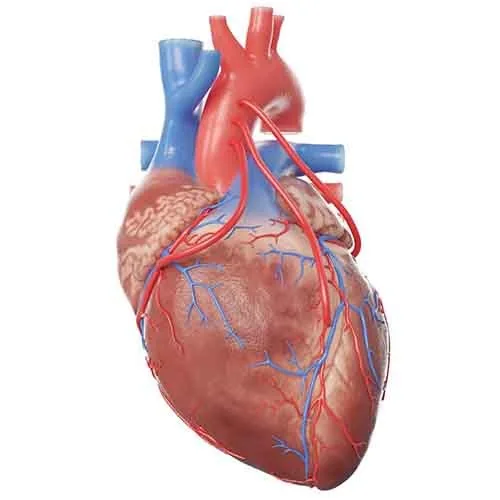
Coronary Artery Bypass Surgery — cardiac care at Dr. Bagi Heart Centre
Coronary Artery Bypass Surgery · Surgical Coronary Care
What happens

How the pathway works.

Your exact pathway depends on your clinical assessment.

01

Pre-operative assessment

The surgical team reviews coronary angiography, heart function, blood tests, medicines and other medical conditions. Instructions cover fasting and which medicines to continue or pause.

02

Anaesthesia and access

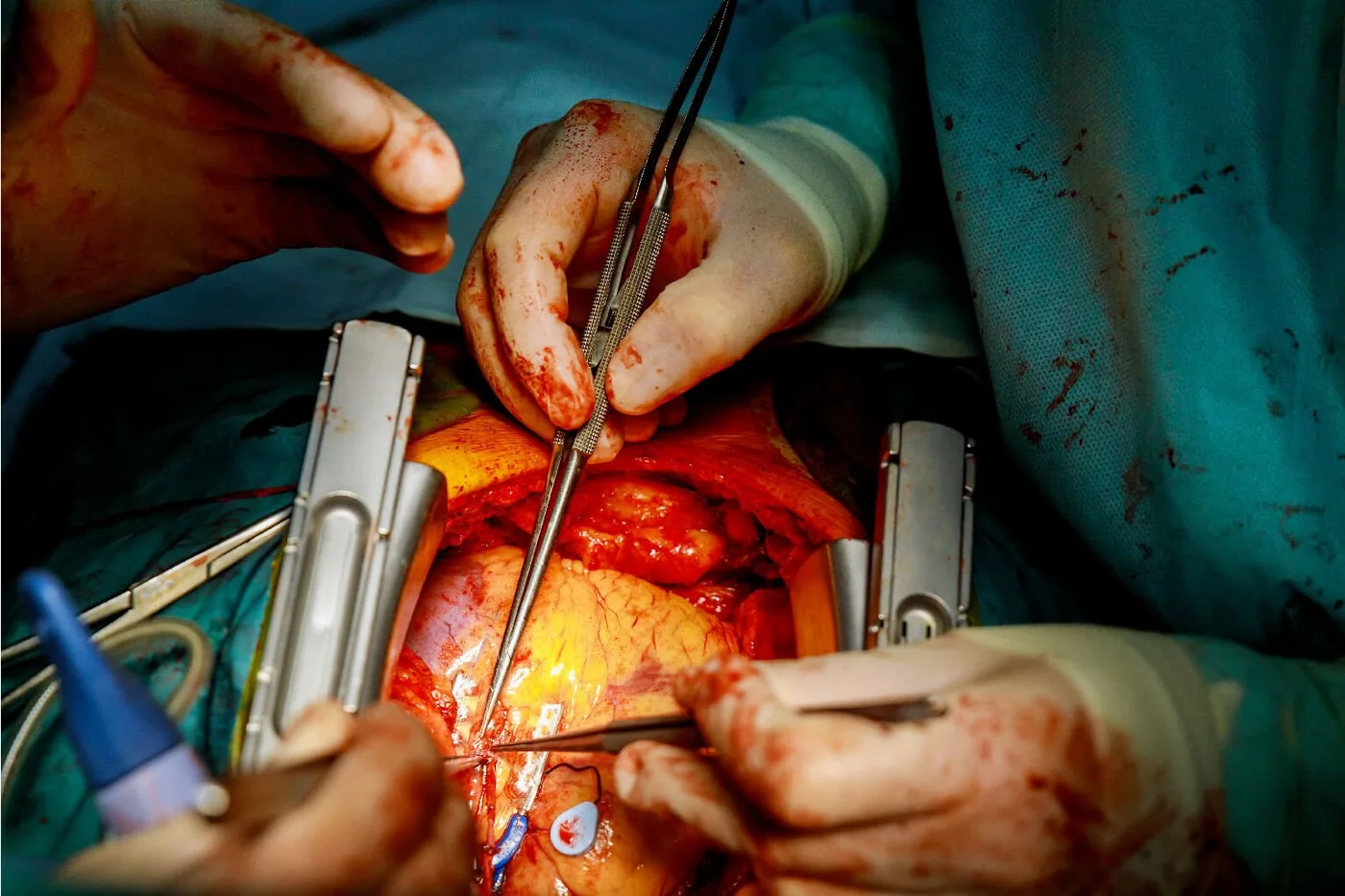
CABG is performed under general anaesthesia. Traditional surgery opens the chest through the breastbone; selected minimally invasive approaches use smaller chest incisions.

03

Graft creation

A vessel from the chest, arm or leg is connected so blood can travel around the narrowed coronary segment. Surgery may use a heart-lung machine or be performed off-pump on a beating heart.

04

ICU and ward recovery

After surgery, patients are monitored in intensive care before moving to a ward. The length of stay and recovery depend on the operation and the patient's progress.

Before & after

What patients can expect.

CABG is major heart surgery and recovery takes longer than recovery from a catheter procedure.

Monitoring, breathing support, drains and intravenous lines are commonly used immediately after surgery.

Chest and graft-harvest sites need wound care and gradual return to activity.

Cardiac rehabilitation may be recommended as recovery progresses.

Medicines, follow-up and risk-factor control remain important because bypass surgery does not remove the underlying tendency to coronary disease.

Why Dr. Bagi Heart Centre

One specialist view across diagnosis, treatment and follow-up.

Dr. Bagi combines interventional experience with non-invasive evaluation and hospital-based care coordination. Recommendations are made after reviewing symptoms, examination findings and relevant reports.

Clear consultationOptions explained in language you can use.
Procedural experience7,000+ interventional procedures recorded by the source site.
Connected evaluationTesting and follow-up aligned with your treatment pathway.
Continuity of careSupport before, during and after a major decision.
Questions, answered

Coronary Artery Bypass Surgery — frequently asked questions

General guidance only — your cardiologist will tailor advice to your health and reports.

No. A graft creates a new route around the narrowed or blocked coronary segment so blood can reach the heart muscle beyond it.
On-pump CABG uses a heart-lung machine during grafting. Off-pump CABG is performed while the heart continues beating. The surgical team decides which approach is appropriate.
The source describes vessels from the chest or leg, and a radial artery from the arm may also be used. The surgeon selects grafts for the individual operation.
Not automatically. The choice between PCI and CABG depends on the number and complexity of narrowings, heart function, other conditions and the expected advantages and limitations of each approach.
Book a Consultation

Your heart deserves expert care — let's talk today

Book a consultation with Dr. Vithal D. Bagi on WhatsApp, or reserve a slot online. For emergencies, call our 24×7 line.