Outlook Best Doctors South 2025
Bagi Heart Centre — Expertise. Technology. Compassion.
Structural Heart Intervention

Device Closure

A catheter procedure that places a specially designed closure device across a suitable abnormal opening or connection in the heart.

Overview

Understanding this service

Some structural or congenital heart conditions leave an opening or abnormal connection that allows blood to flow where it should not. In selected patients, a closure device can be delivered through a catheter and positioned across the defect without open-heart surgery.

Device closure is not suitable for every defect. The cardiologist evaluates the type, size, position and surrounding tissue using echocardiography and other imaging. Examples that may be considered include selected atrial septal defects, patent ductus arteriosus and, for specific indications, patent foramen ovale.

When is it recommended?

  • A structural heart opening for which closure is clinically indicated
  • A selected atrial septal defect with adequate tissue to support a device
  • A suitable patent ductus arteriosus
  • A patent foramen ovale only when a specialist confirms a specific indication
  • A defect whose anatomy is suitable for catheter closure rather than surgery

Purpose and potential benefits

  • Closes selected defects through a catheter rather than an open-chest operation
  • Reduces abnormal blood flow through the treated opening
  • Uses imaging to position and check the device before release
  • Usually allows a smaller access site and a shorter recovery than open surgery, although individual recovery varies
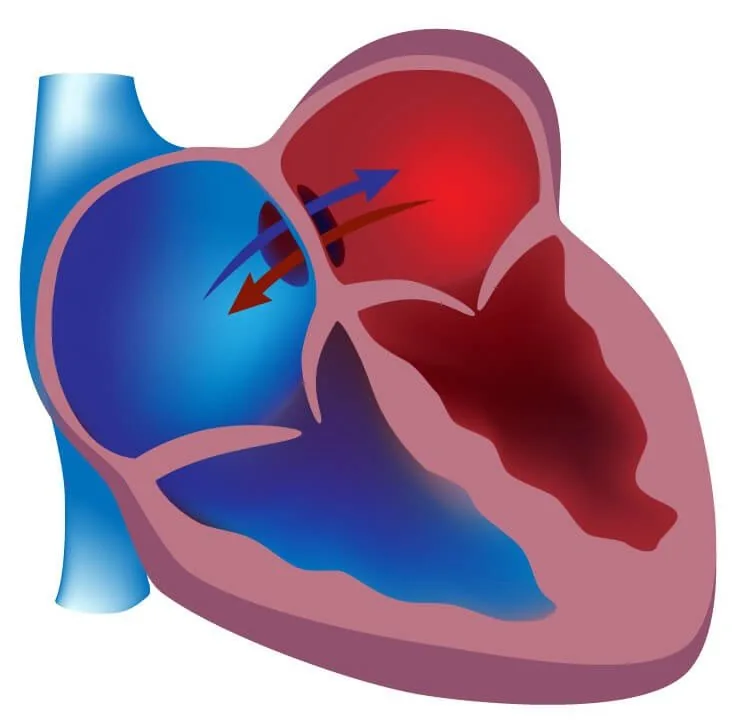
Device Closure — cardiac care at Dr. Bagi Heart Centre
Device Closure · Structural Heart Intervention
What happens

How the pathway works.

Your exact pathway depends on your clinical assessment.

01

Structural assessment

Echocardiography and, when needed, additional imaging define the defect, surrounding rims and effect on the heart.

02

Catheter access

A catheter is passed through a blood vessel, commonly from the groin, and guided to the heart under X-ray and echocardiographic imaging.

03

Device deployment

A closure device sized for the defect is positioned across the opening. Its position and stability are checked before it is released.

04

Monitoring and follow-up

The access site, heart rhythm and device position are monitored. Follow-up imaging confirms how the device is seated and how the heart is responding.

Before & after

What patients can expect.

Pre-procedure testing determines whether catheter closure is anatomically and clinically appropriate.

Anaesthesia or sedation depends on the defect, imaging method and patient.

The team provides instructions about medicines, access-site care, activity and dental or infection precautions when relevant.

Scheduled follow-up and echocardiography remain important after the device is placed.

Why Dr. Bagi Heart Centre

One specialist view across diagnosis, treatment and follow-up.

Dr. Bagi combines interventional experience with non-invasive evaluation and hospital-based care coordination. Recommendations are made after reviewing symptoms, examination findings and relevant reports.

Clear consultationOptions explained in language you can use.
Procedural experience7,000+ interventional procedures recorded by the source site.
Connected evaluationTesting and follow-up aligned with your treatment pathway.
Continuity of careSupport before, during and after a major decision.
Questions, answered

Device Closure — frequently asked questions

General guidance only — your cardiologist will tailor advice to your health and reports.

No. Suitability depends on the defect type, size, position, surrounding tissue and clinical need. Some defects require monitoring or surgery instead.
Yes. Once correctly positioned and released, the device is intended to remain across the defect. Follow-up imaging checks its position.
Echocardiography is central to defining the opening and surrounding anatomy. Other imaging and measurements may be used during the catheter procedure.
Yes. The cardiologist reviews symptoms, medicines, heart rhythm and imaging according to the defect and device used.
Book a Consultation

Your heart deserves expert care — let's talk today

Book a consultation with Dr. Vithal D. Bagi on WhatsApp, or reserve a slot online. For emergencies, call our 24×7 line.