Understanding this service
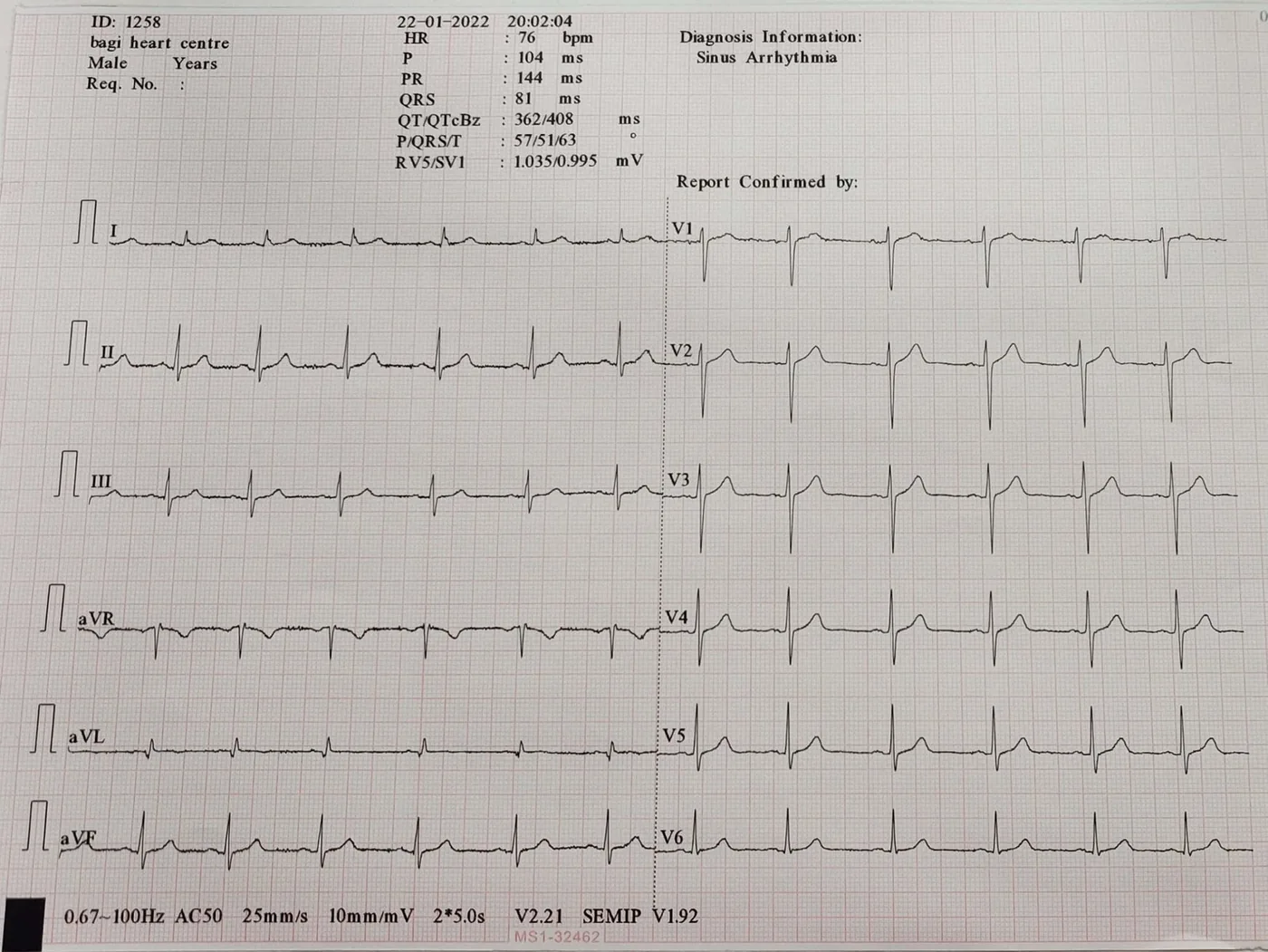
An electrocardiogram, commonly called an ECG or EKG, records the electrical signals that coordinate each heartbeat. It provides a tracing that shows heart rate, rhythm and the timing of electrical conduction through different parts of the heart.
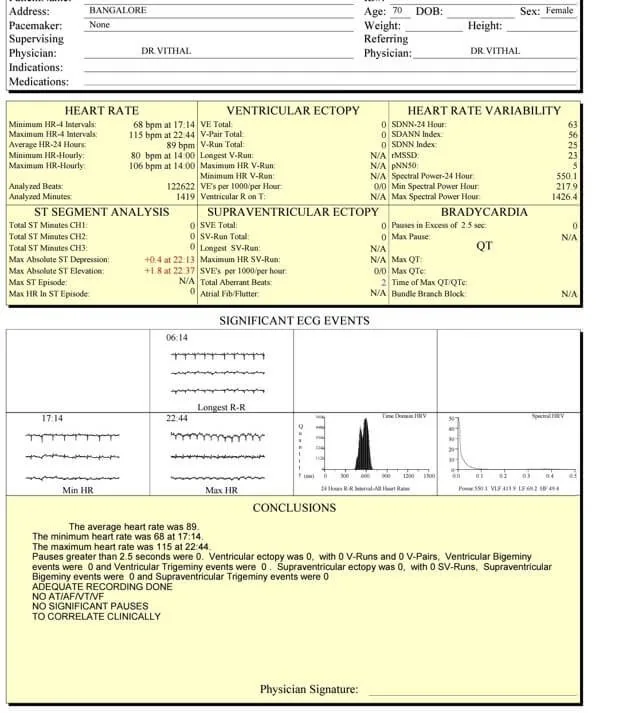
An ECG can support the assessment of symptoms and suspected rhythm, coronary or structural heart problems. Because it records only a short period, a normal resting ECG does not always exclude an intermittent problem; longer monitoring or other tests may be recommended when needed.
When is it recommended?
- Chest discomfort, unexplained breathlessness or suspected acute heart trouble
- Palpitations or a heartbeat that feels fast, slow or irregular
- Dizziness, fainting or near-fainting that may be related to heart rhythm
- Assessment of a known heart condition or the effect of treatment
- A baseline recording before selected procedures, medicines or further cardiac tests
Purpose and potential benefits
- Records heart rate, rhythm and electrical conduction
- Can identify many rhythm abnormalities present during the recording
- Is quick, painless and does not send electricity into the body
- Helps the cardiologist decide whether monitoring, imaging or urgent treatment is needed