Understanding this area of care
Heart failure does not mean that the heart has stopped. It is a serious condition in which the heart cannot fill with or pump enough blood for the body's needs. It may develop suddenly or over time and can be linked to coronary disease, high blood pressure, valve disease, cardiomyopathy or an abnormal rhythm.
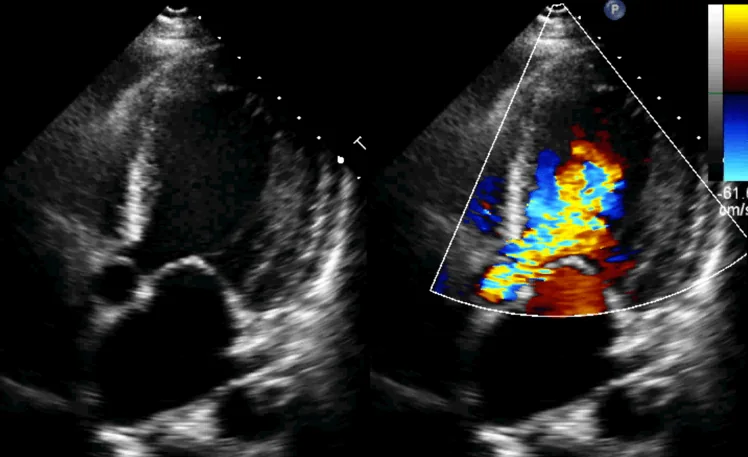
The source material describes breathlessness caused by fluid building up in the lungs when the heart does not pump efficiently. Other common concerns include fatigue, reduced exercise tolerance and swelling. Assessment combines history and examination with tests such as ECG, echocardiography and blood tests; treatment depends on the type, severity and underlying cause.
When is it recommended?
- New or worsening breathlessness, especially during activity or when lying down
- Swelling of the feet, ankles or abdomen, or an unexplained rapid weight change
- Persistent fatigue, weakness or reduced ability to perform usual activity
- Known low heart-pumping function, cardiomyopathy or a recent heart-failure admission
- A review of medicines, fluid status, rhythm, valve disease or coronary disease that may affect heart failure
Purpose and potential benefits
- Clarifies whether symptoms are related to heart failure or another condition
- Identifies heart function and possible contributing causes
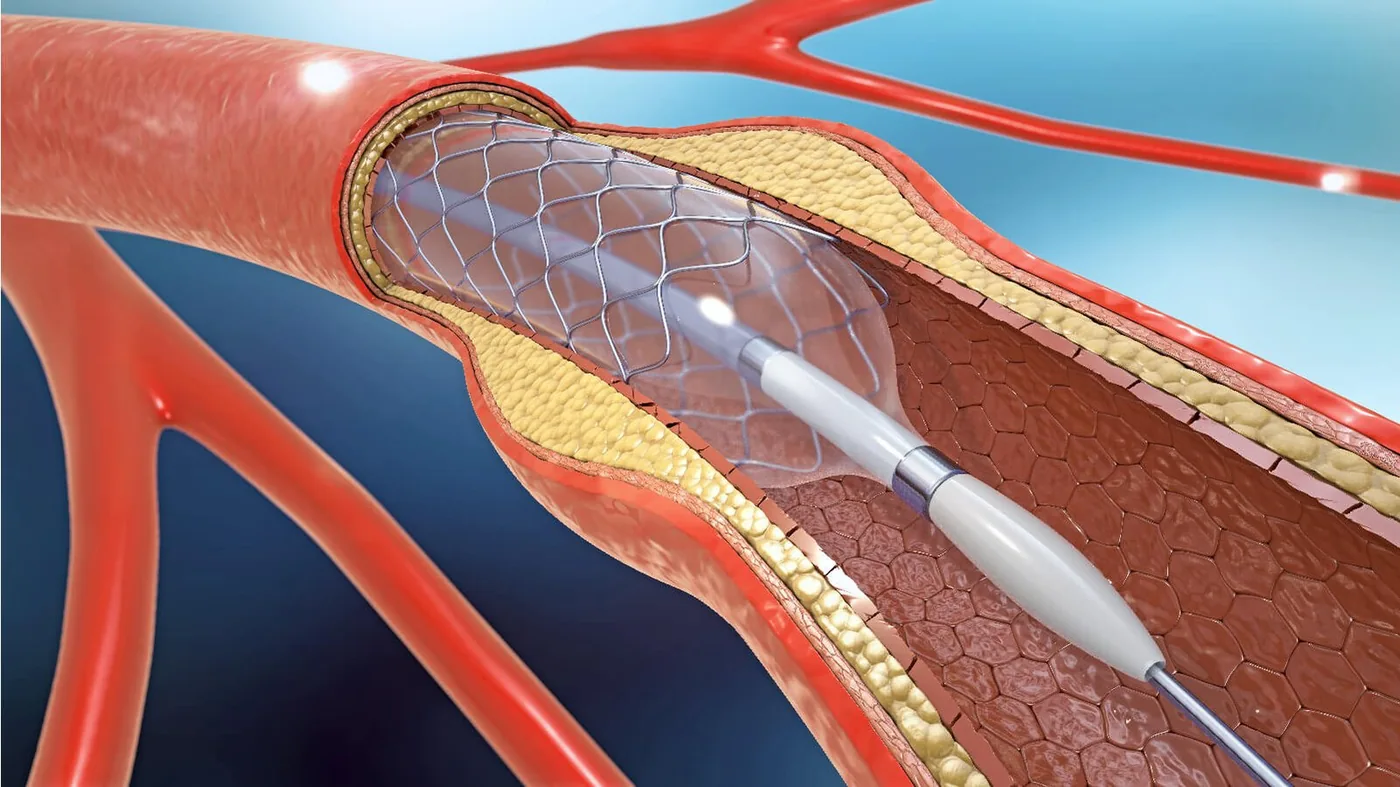
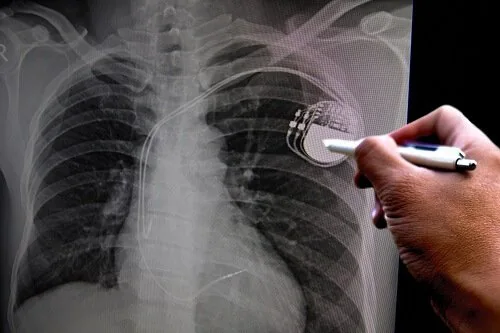
- Coordinates medicines, monitoring and appropriate device or procedure assessment
- Provides personalised guidance on activity, sodium, fluids, weight tracking and warning signs
- Creates a follow-up plan designed to detect deterioration early