Understanding this area of care
A heart rhythm abnormality, or arrhythmia, occurs when the electrical signals that coordinate the heartbeat do not start or travel normally. The heart may beat too slowly, too quickly or irregularly. Some rhythm changes are harmless, while others need treatment or urgent attention.
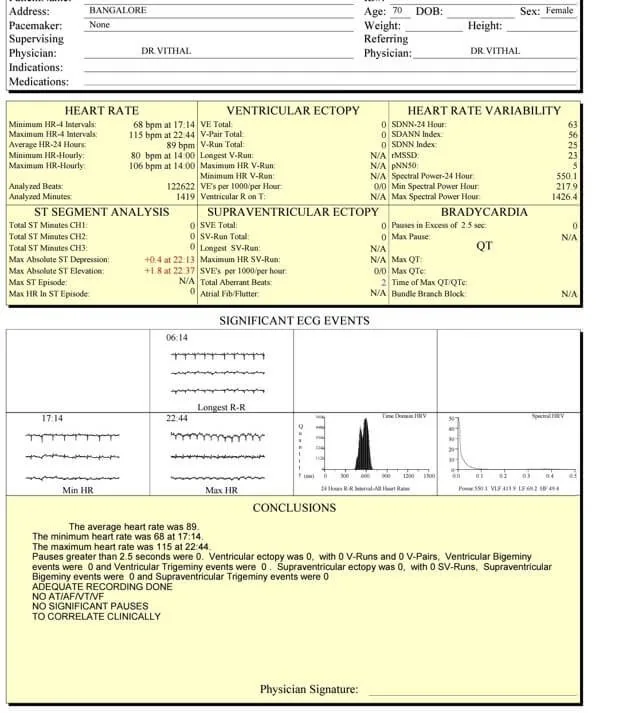
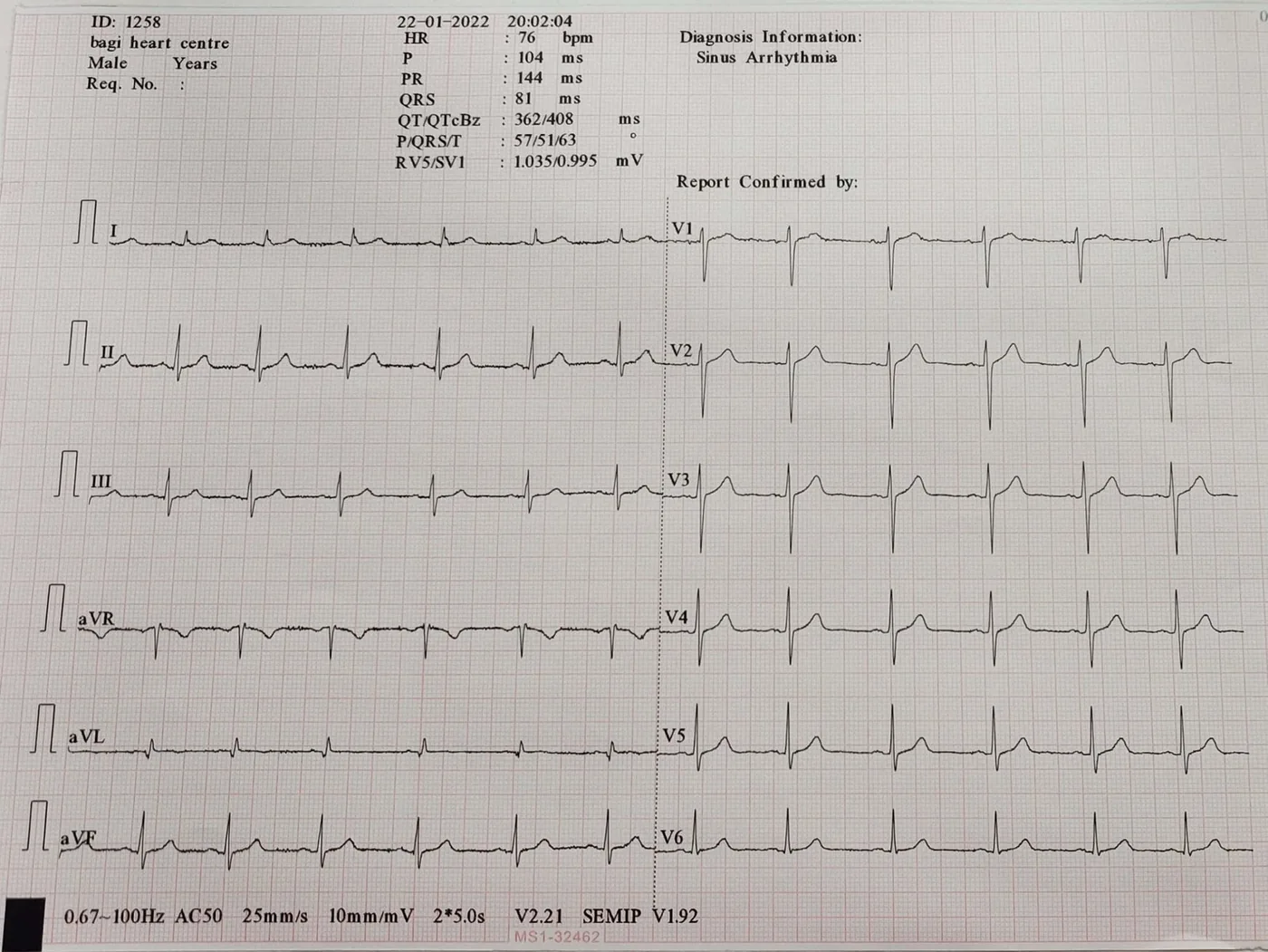
Symptoms can include palpitations, dizziness, fainting, breathlessness, chest discomfort or reduced exercise tolerance, but an arrhythmia may also be found on a routine test. The source material distinguishes electrical rhythm problems from coronary blockages and identifies ECG and Holter monitoring as important tools for detecting abnormal rhythms.
When is it recommended?
- Palpitations or a heartbeat that feels fast, slow, pounding or irregular
- Unexplained dizziness, fainting or near-fainting
- An abnormal pulse, ECG or alert from a monitoring device that needs clinical review
- Possible intermittent arrhythmia not captured during a brief clinic ECG
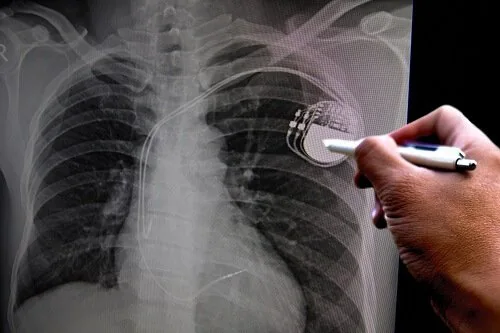
- Follow-up of a known rhythm condition, pacemaker, defibrillator or rhythm medicine
Purpose and potential benefits
- Links symptoms with the heart rhythm present at the same time
- Distinguishes slow, fast and irregular rhythm patterns
- Looks for structural, metabolic or medication-related contributors
- Supports an individualized plan that may include monitoring, medicine, a device or another procedure
- Explains warning signs and when emergency attention is necessary