Understanding this service
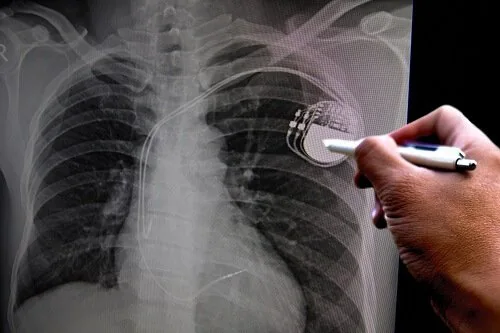
The heart has a natural electrical system that starts and conducts each heartbeat. When the natural pacemaker or conduction system does not work properly, the heartbeat can become dangerously slow and may cause dizziness, fainting or other symptoms. An implanted pacemaker monitors the rhythm and stimulates the heart when needed.
The source page describes single-chamber, dual-chamber and biventricular pacemakers. Device selection depends on the rhythm problem, heart function and individual needs; features such as rate response and MRI compatibility may also be considered.
When is it recommended?
- Sinus-node dysfunction causing an abnormally slow or irregular heartbeat
- Acquired atrioventricular block or complete heart block
- Symptoms such as fainting or dizziness shown to be related to a slow heart rhythm
- Selected people with heart failure who may benefit from cardiac resynchronisation therapy
- Temporary pacing in an emergency while a longer-term plan is established
Purpose and potential benefits
- Supports an adequate heart rate when the heart's own electrical system is too slow
- May reduce symptoms caused by bradycardia, such as dizziness or fainting
- Monitors each heartbeat and delivers pacing only according to the programmed need
- Offers single-, dual- and biventricular options for different rhythm and heart-function problems