Understanding this service
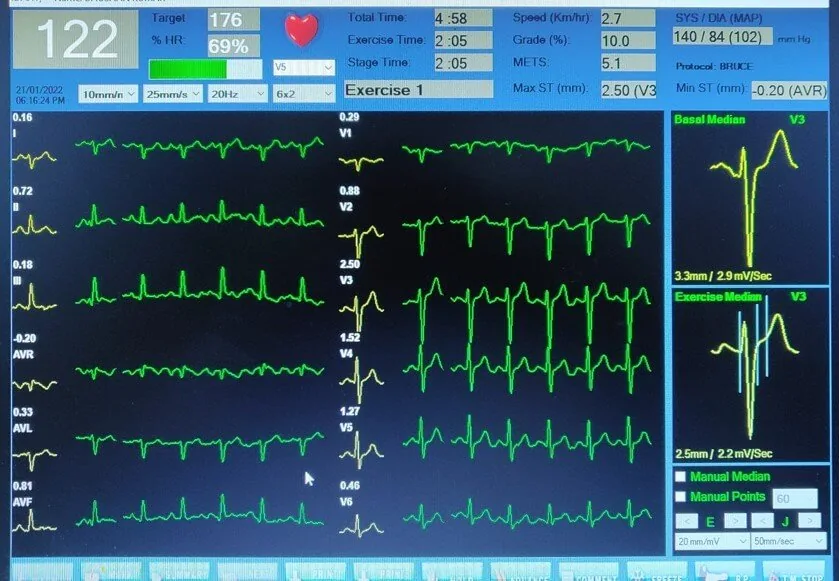
A treadmill test, also called an exercise stress test, assesses how the heart responds when the body works harder. ECG electrodes record electrical activity while heart rate, blood pressure, symptoms and exercise capacity are monitored.
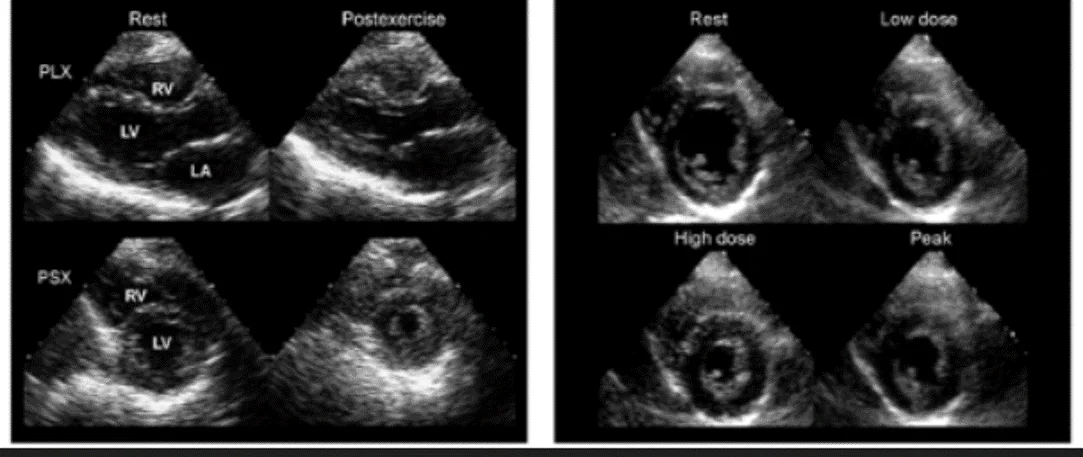
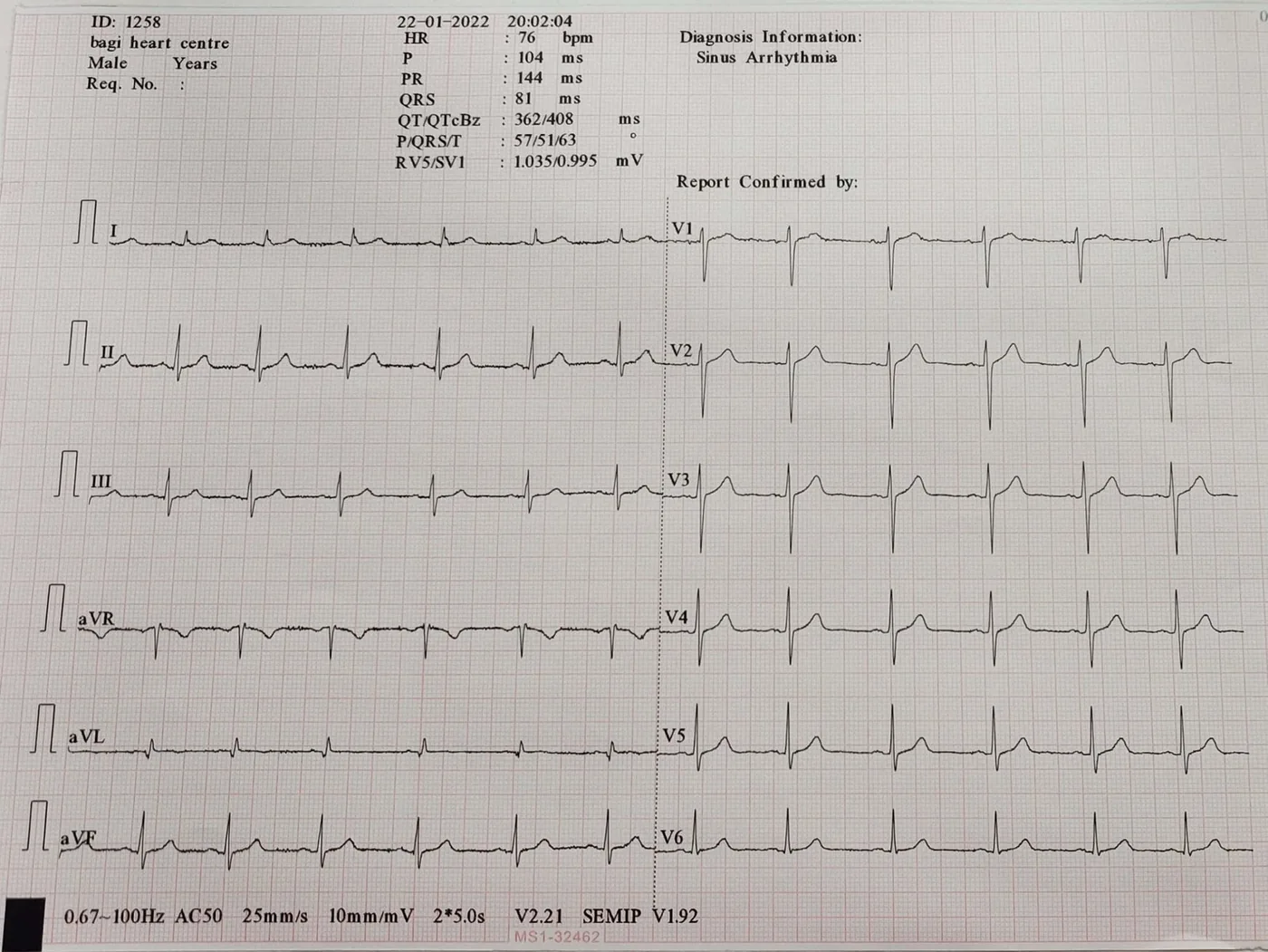
Some heart problems are more apparent during exertion than at rest. The cardiologist interprets the test together with symptoms, baseline ECG, risk profile and any other imaging; the result does not stand alone.
When is it recommended?
- Chest discomfort or breathlessness that occurs with physical activity
- Assessment for possible reduced coronary blood flow when exercise ECG is appropriate
- Evaluation of exercise-related palpitations or rhythm changes
- Measurement of functional capacity before an activity or rehabilitation plan
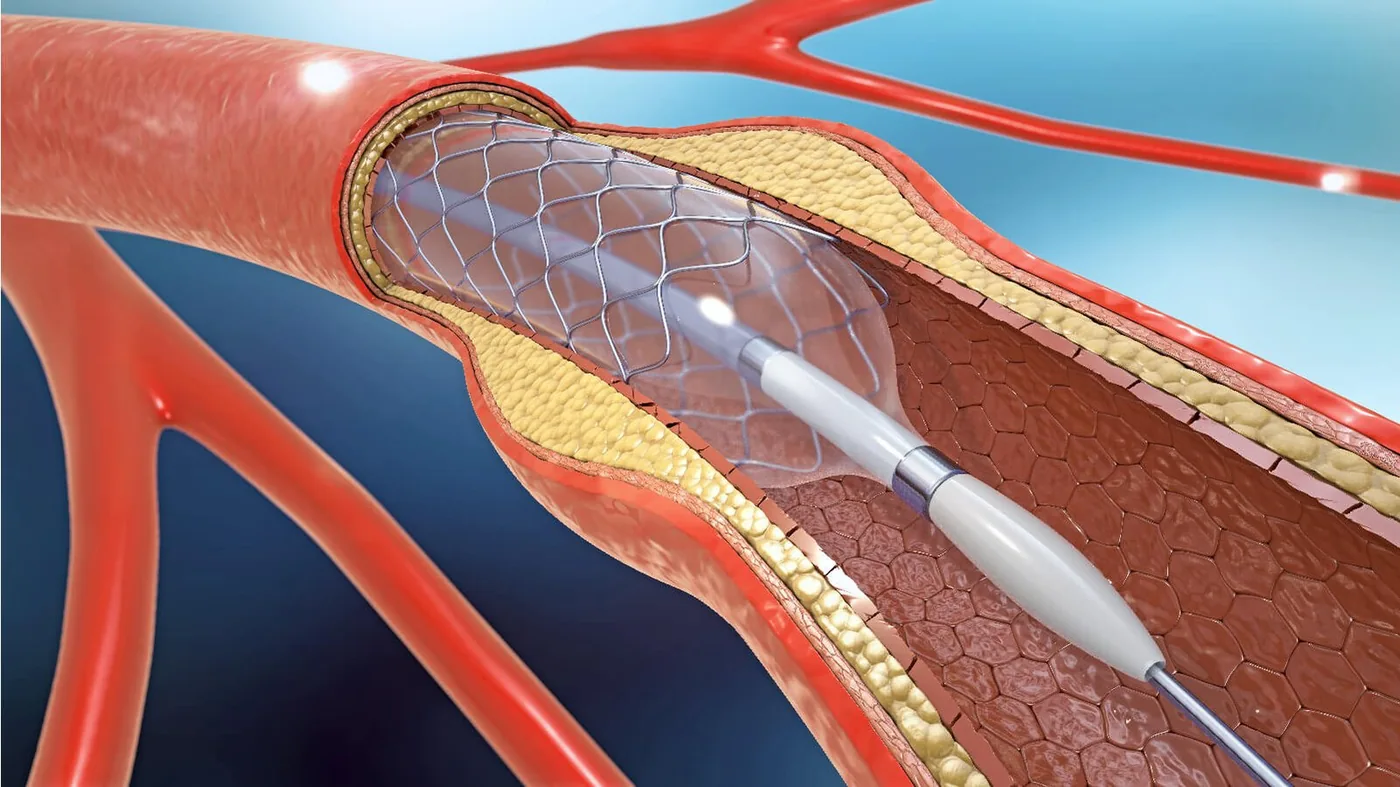
- Follow-up in selected people with known heart disease or after treatment
Purpose and potential benefits
- Shows how heart rate, rhythm and blood pressure respond to increasing exercise
- Links any symptoms to ECG changes and workload
- Measures exercise capacity in a controlled setting
- Helps determine whether further cardiac testing may be needed