For a Consultation Call
+91 6361068489
For a Consultation Call
+91 6361068489
Heart-healthy living begins with good nutrition, and omega-3 fatty acids play a central role in supporting cardiovascular wellness. For many people, especially those following a vegetarian or plant-based diet, it’s easy to assume that adding flaxseeds or chia seeds automatically takes care of omega-3 needs. While those foods are valuable, they don’t tell the complete story.
Omega-3 fatty acids are essential fats — meaning our bodies can’t make them on their own. They play a key role in:
Two forms of omega-3 — EPA (eicosapentaenoic acid) and DHA (docosahexaenoic acid) — are widely studied for heart and brain benefits. These long-chain fats are most abundant in seafood, but that doesn’t mean vegetarians are destined to fall short.
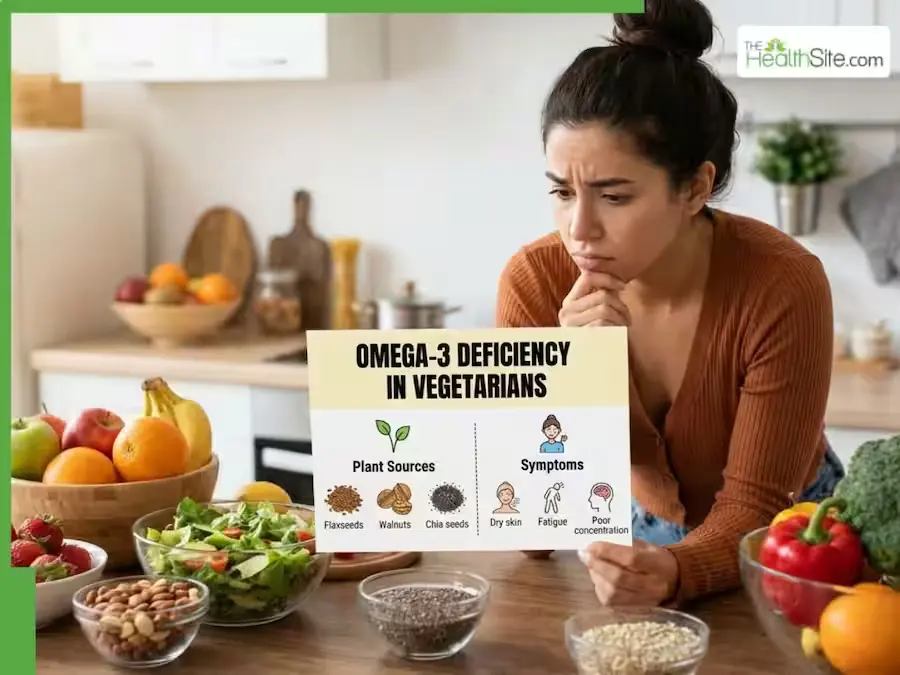
Flaxseeds, chia seeds, walnuts and similar plant foods are rich in ALA (alpha-linolenic acid) — the plant form of omega-3. Your body can convert ALA into EPA and DHA, but this conversion isn’t very efficient. Although flaxseeds are nutritionally valuable, relying on them alone won’t always provide sufficient amounts of the omega-3 forms your heart and brain need.
This is why people on strictly vegetarian diets can still be at risk of omega-3 deficiency, even with regular flaxseed consumption.
While there’s no simple home test for omega-3 levels, low intake over time can subtly affect your wellbeing. Common signs people may notice include:
None of these symptoms prove a deficiency on their own, but they can be a signal to look closely at your diet and lifestyle. Increasing omega-3 intake may help support overall health.
Here are practical ways to boost omega-3s — especially the kinds your body uses best:
These are excellent additions to your meals:
These foods supply ALA, which contributes to your omega-3 intake and supports heart health when included regularly.
Algal oil (made from algae) is one of the few plant-based sources that supply DHA and EPA directly — the same forms found in fish. Because EPA and DHA are more biologically active than ALA, adding algal oil supplements to a vegetarian diet can help bridge the gap effectively.
This is especially useful for people with higher needs — for example, those with heart health concerns, older adults, or women during pregnancy.
Vegetarians often get more omega-6 fatty acids (from various vegetable oils) than omega-3s. While both are essential, a balanced ratio helps your body use omega-3s more effectively. Simple steps like choosing canola or mustard oil occasionally and adding omega-3 rich foods to each meal can make a noticeable difference.
If you follow a vegetarian lifestyle, making intentional choices about your omega-3 sources can have meaningful benefits — especially for your heart and brain. While flaxseeds and other plant foods are great contributors, they aren’t always enough on their own. Including direct sources of DHA and EPA, like algal oil supplements, helps ensure your body gets what it truly needs.
Eat smart, stay informed, and support your heart one step at a time.
 Should You Eat Breakfast Within an Hour of Waking Up?
 One Life & One Heart – Complete Guide to Heart Health, Prevention & Healthy Living
 Vegetarian Diet and Omega-3: Why Just Flaxseeds May Not Be Enough — And What Works
 The Silent Threat: Understanding and Tackling Sudden Cardiac Arrest
 Understanding Sudden Cardiac Arrest: Why Bystanders Hold the Key to Saving Lives
Copyright 2020 - Dr. Vithal D Bagi Heart centre clinic. All rights reserved.